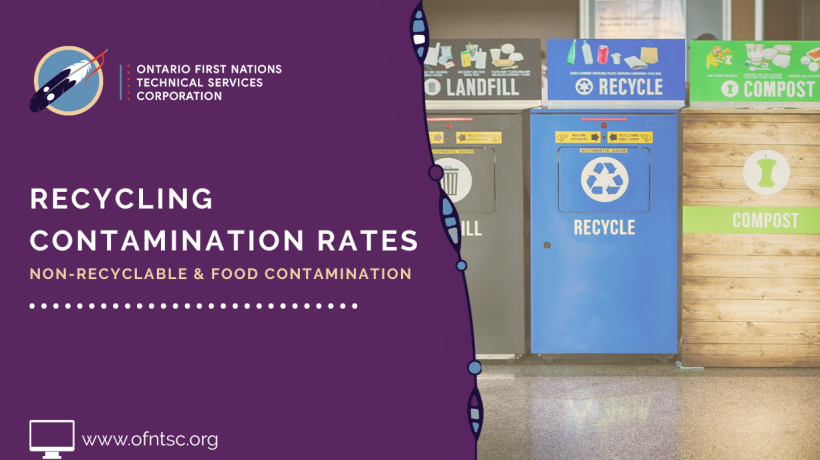
Recycling is one of the most important methods of reducing waste, conserving natural resources, and protecting the environment. However, the effectiveness of recycling programs depends on the quality of the materials that are collected. One of the greatest challenges facing recycling systems today is contamination. Recycling contamination occurs when non-recyclable items or recyclable materials that contain food, liquids, or other contaminants are placed into recycling bins.
Non-recyclable contamination
People often rely on assumptions of what can and cannot be recycled. Putting nonrecyclable materials into the recycling bin is one form of contamination. Identifying the correct disposal option is important. Reducing contamination requires a combination of public education and improved communication about recycling.
Check the Circular Materials Website for information about what you can recycle.
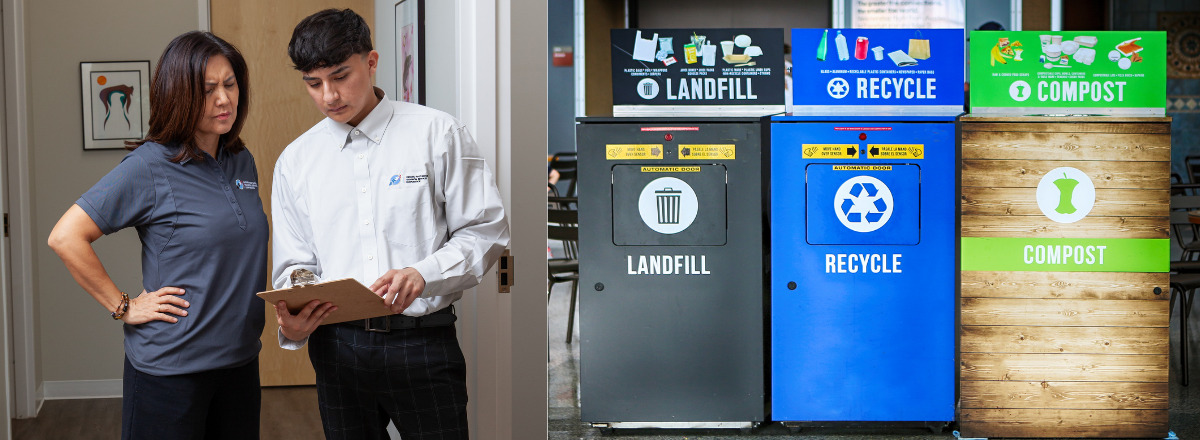
Clear, well-designed signage placed directly above recycling bins helps people make more accurate disposal decisions by reducing confusion. The community may also consider providing simple and easy-to-understand instructions that explain what can be recycled and what cannot be recycled.
Food contamination
Another major contributor to contamination is the condition of recyclable items; put simply, it is recyclables that still have food on them. Individuals may be more likely to recycle items with only small amounts of food contamination because they want to avoid feeling guilty about throwing recyclable materials into the garbage. Unfortunately, even lightly soiled paper products or food containers can contaminate other recyclable materials during processing, lowering the quality of the entire recycling stream.
Cleaning with a simple rinse can reduce contamination caused by food residue. Communities can further improve recycling quality through consistent recycling guidelines, school education programs, and public awareness campaigns that clearly explain which materials belong in recycling bins and which should be placed in garbage or compost. 
Contamination in recycling remains a significant obstacle to creating efficient and sustainable waste management systems. Research suggests that practical solutions, including improved educational signage and greater public awareness, can significantly reduce contamination and increase the amount of material successfully recycled. By making informed disposal decisions and following local recycling guidelines, individuals can help improve recycling systems while protecting valuable natural resources for future generations.
For more information, you can contact the OFNTSC Regional Solid Waste Specialist, Heidi Manitowabi, at solidwaste@ofntsc.org